What “Redoing a Backyard for Cheap” Actually Means
When homeowners say they want to redo a backyard for cheap, they are rarely talking about the absolute lowest cost possible. Most of the time, they mean getting meaningful improvement without wasting money or committing to changes they will regret later.
“Cheap” in this context is really about prioritization. It means deciding what actually affects how the backyard is used and what can wait. Many people assume a budget backyard remodel requires cutting quality everywhere, but that usually backfires. The projects that feel the most expensive long-term are often the ones that were rushed or done out of sequence.
This is similar to how people approach outdoor kitchens. Many kitchens end up feeling like a bad investment not because the idea was wrong, but because the planning was rushed. That same pattern shows up in backyards as a whole, which is why stepping back and evaluating whether backyard renovations are worth it in the first place helps frame what “cheap” should realistically mean.
Where Homeowners Waste the Most Money in Backyard Projects
The biggest waste in backyard projects usually comes from doing things in the wrong order. Homeowners often spend money on surface-level upgrades like decor, finishes, or small features before addressing layout, drainage, or how the space actually functions.
Another common issue is over-customizing too early. Permanent features get installed before people fully understand how they want to use the space. Later, those features end up being worked around, modified, or removed entirely. That is where budgets quietly disappear.
There is also a tendency to chase individual ideas instead of thinking in systems. A patio here, a feature there, without a clear plan for flow or use. This creates a backyard that looks improved but does not feel cohesive. Money gets spent, but the experience does not change much.
Avoiding waste is less about finding cheaper materials and more about making fewer irreversible decisions early on.
Low-Cost Backyard Improvements That Actually Make a Difference
Some of the most effective budget-friendly backyard improvements are not flashy. They focus on how the space is used rather than how it looks in photos.
Improving circulation, defining seating areas, and creating shade can dramatically change how often a backyard gets used without requiring major construction. Small layout changes often have more impact than adding new features, especially in smaller yards.
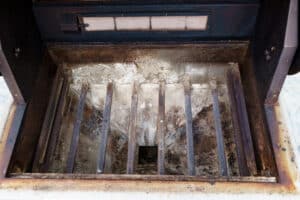
Cleaning, repairing, and restoring what is already there also goes a long way. Neglected surfaces, worn cooking equipment, or poorly maintained areas can make a yard feel tired even if the structure is solid. Addressing these basics first often makes bigger upgrades feel less urgent and helps homeowners avoid piling new projects on top of existing problems.
These types of improvements work because they reduce friction. When a backyard feels easier to use and maintain, people spend more time in it, even without major new additions.
What You Should Not Try to Do Cheap
Some backyard upgrades look optional on the surface but are expensive to fix when done incorrectly. Drainage is a common example. Poor water flow does not just affect plants or turf. It can undermine patios, create mud issues, and shorten the life of anything built on top of it. Trying to save money here often leads to repairs that cost more than doing it correctly the first time.
Structural elements fall into the same category. Retaining walls, raised planters, and hardscape foundations need to be built to handle soil movement and moisture. Cutting corners may hold up temporarily, but failure is usually gradual and inconvenient rather than immediate. Utilities are another area where cheap solutions backfire. Gas, electrical, and water lines limit what can be added later, especially if an outdoor cooking area is part of the long-term plan. This is where backyard projects often collide with outdoor kitchen planning, since utility mistakes show up fast once cooking equipment is introduced.
How to Phase a Backyard Remodel on a Budget
Redoing a backyard for cheap works best when projects are broken into stages that build on each other. The first phase should focus on function. This includes layout, access paths, drainage, and how people move through the space. These elements are not always visible, but they determine whether future upgrades feel intentional or awkward.
The second phase usually involves comfort. Seating, shade, and lighting improve usability without locking homeowners into permanent decisions. These upgrades are relatively easy to adjust later as needs change. The final phase is where feature elements make sense. Outdoor kitchens, fire features, and built-in structures belong here, once the yard already works. Planning this way prevents redoing work and keeps budget decisions flexible instead of reactive.
When a “Cheap” Backyard Upgrade Becomes Expensive
A backyard upgrade becomes expensive when short-term savings create long-term maintenance or replacement costs. Materials that wear quickly, layouts that feel cramped, or features that are difficult to clean often get ignored over time. That neglect accelerates deterioration and makes the entire space feel unfinished again.
This is especially true when outdoor cooking equipment is involved. Poor placement, lack of protection, and skipped maintenance turn small issues into recurring problems. Homeowners often see the same pattern with grills and cooking surfaces, where neglect shortens lifespan and affects performance. Understanding how these issues develop in outdoor equipment helps explain why budget decisions should factor in upkeep, not just installation cost.