The Problem: A Grill That Feels Inconsistent From One Cook to the Next
One of the most frustrating issues Sonoma grill owners run into isn’t a full breakdown. It’s inconsistency.
The grill works perfectly one day. Strong flames, even cooking, no issues. Then the next time you use it, something feels off. It takes longer to heat up. One side runs hotter than the other. Food cooks unevenly. Nothing is clearly broken, but the performance just isn’t the same.
What makes this problem confusing is the lack of a clear pattern:
- No major grease buildup
- No obvious damage
- No sudden failure
It just feels unreliable.
In Sonoma, this kind of inconsistency is rarely random. It’s usually the result of environmental conditions affecting how the grill behaves between uses.
Why Sonoma Conditions Create Inconsistent Performance
Sonoma’s environment doesn’t just affect grills over time. It affects them between uses.
That’s what creates the inconsistency.
Moisture vs Dry Cycles
Sonoma often has:
- Cool, damp nights
- Warmer, drier afternoons
This creates a daily cycle:
- Moisture forms inside the grill overnight
- Partial drying happens during the day
- Residual moisture remains in burners and internal parts
This repeated cycle affects how gas flows and how flames behave, even if nothing has changed mechanically.
Idle Periods Between Use
Unlike hotter regions, Sonoma grills often sit unused for several days at a time.
During that downtime:
- Dust settles into burner ports
- Moisture lingers in enclosed areas
- Airflow pathways become slightly restricted
Then the grill is suddenly used at full capacity during a gathering, exposing inconsistencies that weren’t obvious before.
Dust, Pollen, and Airflow
Fine particles don’t need to fully block anything to cause problems.
Even light buildup can:
- Restrict gas flow unevenly
- Change flame shape and strength
- Create shifting hot and cold zones
That’s why performance can feel different from one cook to the next without any visible change.
Covered and Built-In Setups
Many Sonoma grills are:
- Built into outdoor kitchens
- Placed under covered patios
- Kept tightly covered
These setups:
- Reduce airflow
- Slow drying after moisture exposure
- Trap humidity longer than expected
This creates small but meaningful changes in internal conditions between uses.
How to Tell If Your Grill Has an Inconsistency Issue
Not all performance problems are the same. In Sonoma, the key is identifying fluctuation, not just decline.
Signs you’re dealing with inconsistency:
- The grill performs well one day, then struggles the next
- Flame strength varies between uses
- Heat zones shift without explanation
- Preheat time changes from cook to cook
- No heavy grease or visible blockage
This is different from a grill that is steadily getting worse.
A consistent performance issue:
- Gets gradually worse over time
- Stays predictable
An inconsistency issue:
- Improves and worsens unpredictably
- Feels unreliable instead of broken
If your grill feels like it “comes and goes,” you’re likely dealing with environmental impact, not a single failing part.
What Actually Stabilizes Grill Performance in Sonoma
Fixing inconsistency isn’t about doing one big thing. It’s about removing the small variables that keep changing between uses.
Start with flame, not cleaning
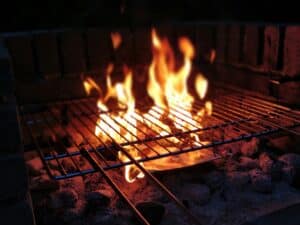
Before adjusting anything, look at the flame.
A healthy flame should be:
- Steady
- Blue
- Even across burners
If it changes from one cook to the next, that’s your signal the issue is internal, not surface-level.
This is closely related to the performance patterns explained in Why Grills in Sonoma Lose Heat and Performance Faster Than Expected, but here the issue is fluctuation, not decline.
Stabilize what happens between uses
Most inconsistency starts when the grill is sitting idle.
A few simple habits reduce that variability:
- Open the grill briefly before cooking to release trapped moisture
- Do a quick visual check of burners before ignition
- Run a short preheat and observe flame behavior before adding food
You’re not fixing anything yet. You’re normalizing the starting conditions.
Manage moisture without overcorrecting
Moisture is part of Sonoma life. The goal isn’t to eliminate it. It’s to keep it from lingering.
What helps:
- Letting the grill air out after use
- Avoiding tightly sealed covers when moisture is present
- Using short, moderate heat cycles to dry internals when needed
What doesn’t help:
- Overheating the grill to “burn everything off”
- Spraying water into internal components
- Re-cleaning aggressively after every inconsistent cook
Overcorrecting creates new variables instead of removing them.
Keep maintenance light but consistent
In Sonoma, consistency beats intensity.
Instead of occasional deep intervention, focus on:
- Light burner checks
- Keeping airflow paths clear
- Avoiding long gaps with no inspection
If you wait until something feels “off,” you’re already reacting instead of stabilizing.
Preventing Performance Swings Over Time
Once you understand the pattern, preventing inconsistency becomes predictable.
Think in cycles, not events
Your grill doesn’t reset between uses. It carries over whatever happened last time.
That means:
- Moisture from last night affects today’s cook
- Dust from the week affects this weekend’s performance
- Idle time matters just as much as active use
Build a simple routine
You don’t need a checklist every time, but a consistent rhythm helps:
Before cooking:
- Open, inspect, preheat, observe
After cooking:
- Let it cool gradually
- Allow airflow before covering
Between uses:
- Check occasionally, even if not cooking
That alone removes most inconsistency issues.
Watch for patterns, not one-off issues
If something feels off once, it’s probably conditions.
If it happens repeatedly:
- Same weak flame pattern
- Same hot/cold zones
- Same delayed ignition
Then it’s no longer inconsistency. It’s developing into a real performance issue.
That’s where many homeowners move from maintenance into deeper inspection or tune-up territory.
When Inconsistency Means Something Deeper
There’s a point where inconsistency stops being environmental and starts pointing to a real underlying issue.
The key difference is repetition.
If your grill occasionally struggles, that’s Sonoma conditions.
If it starts struggling the same way every time, something is wearing out or failing.
Watch for patterns like:
- The same burner always weaker than the others
- Ignition consistently delayed on certain knobs
- Flame shape staying uneven across multiple uses
- Performance dropping even after rest and dry-out
At that point, it’s no longer just moisture or airflow variability. It’s likely:
- Burner degradation
- Partial blockage inside burner tubes
- Regulator inconsistency
- Ignition component wear
This is where DIY adjustments stop being effective. Light cleaning and habit changes won’t restore consistency if the underlying system isn’t stable anymore.
That’s typically when a Sonoma grill repair service becomes the right move, not because the grill is “broken,” but because it needs internal correction to perform reliably again.
The Bottom Line for Sonoma Grill Owners
In Sonoma, grills don’t always fail in a straight line. They fluctuate.
Moisture, airflow, idle time, and environmental changes create small shifts inside the grill that show up as inconsistent performance. One day it works perfectly. The next day it doesn’t feel right.
The solution isn’t over-cleaning or over-adjusting. It’s stabilizing the conditions around the grill, paying attention to flame behavior, and catching patterns early before they turn into permanent issues.
If your grill feels unpredictable, it’s usually not random. It’s the environment showing up in how your grill performs.