The Problem: Sonoma Grills That Turn On but Don’t Perform
A common complaint from Sonoma grill owners is that the grill technically works, but cooking feels harder than it should. The burners light, the knobs turn, and the flames are there, yet the grill takes longer to preheat, struggles to stay hot, or cooks unevenly across the grates.
This usually shows up gradually. A grill that used to hit temperature quickly now needs extra time. Steaks take longer to sear. One side of the grill runs hot while the other feels weak. Because nothing is obviously broken, many homeowners assume it’s just normal aging or a minor cleaning issue.
In reality, this kind of performance drop is often specific to how grills are used and stored in Sonoma. The grill isn’t failing all at once. It’s slowly losing efficiency.
What Sonoma’s Climate and Usage Do to Grill Performance
Sonoma’s cooler mornings and evenings, combined with periods of moisture and dust, create conditions that quietly affect grill performance over time. After cooking, moisture can settle inside the grill overnight. Dust and pollen accumulate during days or weeks when the grill isn’t used. None of this causes an immediate failure, but it adds up.
When grills sit idle between uses, burner ports and airflow pathways are especially vulnerable. Light buildup inside burners restricts gas flow, weakening flame strength even though the grill still ignites. Covered patios and built-in installations can make this worse by limiting airflow and slowing drying after damp nights.
Unlike hotter inland areas, Sonoma grills often deal with repeated cycles of light use, idle time, and then heavy use for gatherings. That pattern stresses burners and heat distribution systems in a way that cleaning the grates alone can’t fix. Over time, performance drops even though the grill still looks clean.
How to Tell If Your Grill Has a Performance Issue (Not Just a Dirty Surface)
A grill with a performance problem behaves differently than a grill that’s simply due for cleaning. The key is paying attention to the flame and heat behavior, not just surface appearance.
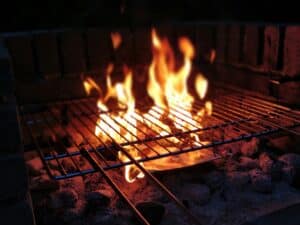
Signs you’re dealing with a performance issue include flames that look weak or uneven, yellow or lazy flames instead of steady blue ones, hot and cold zones that persist after cleaning, and difficulty reaching or holding high temperatures. Food may cook unevenly even when grease buildup isn’t obvious.
This is where many Sonoma homeowners get stuck. They clean more aggressively, expecting results to improve, but nothing changes. That’s because the issue isn’t on the surface. It’s inside the system that delivers and distributes heat. Understanding this distinction is important, especially if you’ve already ruled out basic cleaning and are seeing symptoms similar to those explained in Why Is My Grill Not Heating Evenly? (And How to Fix It).
What Actually Restores Heat and Performance on Sonoma Grills
When a grill loses heat in Sonoma, surface cleaning alone rarely fixes it. Performance issues usually come down to airflow, gas delivery, and burner condition, not how clean the grates look.
Here’s what actually makes a difference.
Focus on burner function, not just appearance
Burners can look fine from above while still underperforming. Small amounts of dust, moisture residue, or carbon inside burner ports restrict gas flow and weaken flames. This leads to lower heat output and uneven cooking, even though ignition still works.
Common performance bottlenecks include:
- Partially blocked burner ports
- Moisture residue inside burner tubes
- Misaligned burners affecting flame spread
- Heat tents or shields disrupting airflow
Light maintenance homeowners can safely do
Some checks can be done without turning this into a repair project:
- Inspect burners visually for uneven flame patterns
- Gently clear visible debris from burner ports
- Ensure burners are seated and aligned correctly
- Check that airflow openings aren’t blocked by grease or debris
What doesn’t help is aggressive scraping, drilling out ports, or using high-pressure water. Those approaches often cause more damage than improvement, especially on older or built-in grills.
When cleaning stops being the solution
If performance improves briefly and then drops again, or if flames never return to a strong, even pattern, the issue is usually deeper than routine maintenance. This is where a seasonal tune-up becomes more effective than repeated cleaning, especially for grills that sit idle between uses. That distinction is covered in more detail in Gas Grill Tune-Up: Why the New Year Is the Best Time to Do It.
Preventing Performance Drop-Off Between Uses
In Sonoma, preventing performance loss is mostly about consistency and airflow, not heavy-duty cleaning.
Simple habits that make a real difference
- Do a quick preheat check before cooking after idle periods
- Look at flame strength, not just ignition
- Brush grates lightly, but avoid over-cleaning internals
- Empty drip trays so airflow isn’t restricted
Manage moisture and dust between cooks
Sonoma grills often sit unused for days at a time. During that window:
- Moisture can settle inside the firebox
- Dust and pollen can collect in burners
- Covered grills may dry more slowly than expected
Letting the grill air out briefly after use and avoiding tightly sealed covers in damp conditions helps prevent buildup that affects performance later.
Use covers strategically, not automatically
Covers protect from rain, but they can also trap moisture if airflow is poor. Breathable covers and occasional uncovered dry-out periods are often better than keeping a grill sealed at all times, especially on covered patios.
Performance loss in Sonoma usually isn’t sudden. It’s gradual, predictable, and preventable when airflow and burner health are maintained between uses.
When It’s Time to Call a Professional in Sonoma
At a certain point, performance issues stop being something you can solve from the outside. In Sonoma, that line tends to show up once internal components are affected by moisture, dust, or long-term buildup.
It’s usually time to bring in a professional if you’re seeing any of the following:
- Burners light, but flames stay weak or uneven
- One or more burners won’t maintain consistent heat
- Yellow or lazy flames return quickly after cleaning
- Ignition works inconsistently or with delays
- Performance improves briefly, then drops again
- The grill is built-in or installed in a covered patio with limited access
These issues often involve burner internals, gas flow, or airflow pathways that homeowners can’t safely reach without partial disassembly. Continued DIY attempts at this stage can bend burner ports, misalign components, or make ignition problems worse.
This is typically when a Sonoma grill repair service becomes less about fixing something “broken” and more about restoring proper performance before wear turns into permanent damage.
The Bottom Line for Sonoma Grill Owners
Grills in Sonoma usually don’t fail all at once. They lose heat and performance gradually due to moisture, dust, idle time, and restricted airflow, even when they look clean on the surface.
Cleaning helps, but performance is tied to burner health and airflow, not just appearance. Paying attention to flame quality, doing light maintenance between uses, and adjusting habits for Sonoma’s climate can prevent most heat-related issues before they start.
When performance problems stop responding to basic maintenance, addressing them early saves time, frustration, and costly repairs down the line.