The Problem: Food Suddenly Cooking Too Fast During Sacramento Summers
A lot of Sacramento grill owners notice the same thing once summer temperatures peak:
The grill suddenly feels more aggressive.
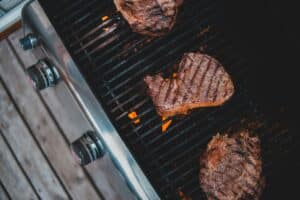
Food burns faster than expected. The outside cooks too quickly while the inside struggles to keep up. Flare-ups happen sooner, and the same cooking routine that worked perfectly in spring suddenly produces completely different results.
Common complaints include:
- Burgers charring too quickly
- Chicken drying out before it finishes internally
- Vegetables scorching unexpectedly
- Steaks over-searing before reaching target temperature
What makes this confusing is that the grill itself may be perfectly clean and functional.
The difference is the environment.
During Sacramento summers, extreme ambient heat changes how the grill stores, produces, and transfers heat. That changes how food cooks whether you realize it or not.
Why Sacramento Heat Changes How Your Grill Cooks
Summer heat affects more than comfort. It changes the starting conditions of the entire grill.
The Grill Starts Hot Before Ignition
In Sacramento, grills often sit in:
- Direct afternoon sun
- Triple-digit temperatures
- Hot concrete or reflective surfaces
That means the grill body and grates may already be extremely warm before preheating even begins.
Instead of building heat gradually, the grill starts halfway there.
Heat Retention Increases
Once the grill gets hot, it stays hot longer.
That creates:
- Slower cooldown between adjustments
- Faster temperature spikes
- Heat lingering after burners are lowered
This is one reason Sacramento grills can feel harder to “settle down” during summer cooking.
Cooking Surfaces Get Hotter Faster
Grates absorb and store heat more aggressively during extreme temperatures.
Result:
- Faster searing
- Earlier scorching
- More intense direct-contact cooking
Even small timing differences become noticeable.
Ambient Heat Changes Total Cook Time
Food cooks from both:
- The grill itself
- The surrounding hot air environment
During Sacramento heat waves, food may simply need less total time than you’re used to.
That’s why recipes and routines that work perfectly in mild weather suddenly feel off during peak summer.
Signs You’re Overcooking Because of Heat (Not Skill)
Not every bad cook means you did something wrong.
Sometimes the environment changed more than your approach did.
Signs heat is the real issue:
- Food burning outside before inside is done
- Flare-ups happening earlier in the cook
- Meat drying out faster than usual
- Grill temperatures rising too quickly during preheat
- Same recipes suddenly producing different results
One of the clearest signs:
If your cooking problems mostly appear during Sacramento heat waves, the grill may not be malfunctioning at all.
The environment is simply changing how heat behaves.
This is closely related to the heat-management issues covered in Why Your Grill Struggles to Stay Consistent During Sacramento Heat Waves, but here the effect shows up directly in cooking results instead of overall grill performance.
What Actually Helps During Sacramento Summers
The biggest mistake people make during Sacramento summers is cooking the exact same way they do the rest of the year.
In extreme heat, small adjustments make a huge difference.
Start lower than you think
A grill that normally needs high heat may only need medium during peak summer conditions.
Why?
- The grill body is already hot
- Grates heat faster
- Ambient temperatures help sustain cooking heat
Starting too aggressively usually leads to:
- Burned exteriors
- Fast flare-ups
- Overshooting target temperatures
A slower ramp-up gives you more control.
Shorten your preheat
Long preheats become less necessary when:
- Outdoor temperatures are already high
- The grill has been sitting in direct sun
Instead of automatically preheating for 15–20 minutes, pay attention to actual temperature behavior.
You may only need:
- Shorter warmups
- Lower starting burner settings
- Less total heat overall
Use cooking zones more intentionally
During Sacramento summers, direct heat becomes more aggressive.
A better approach:
- Keep one side lower or off
- Use indirect space more frequently
- Move food between zones instead of constantly adjusting burners
This gives you somewhere to recover food before it burns.
Change when you grill
Timing matters more than most people realize.
Hardest conditions:
- Midday
- Late afternoon direct sun
- Peak heat-wave periods
Easier conditions:
- Early morning
- Evening
- Partial shade conditions
Sometimes the best temperature adjustment is simply changing the time you cook.
Preventing Burned Food and Heat Spikes
Summer grilling in Sacramento is really about heat management, not maximum output.
Watch flare behavior earlier
Grease reacts faster in extreme heat.
That means flare-ups:
- Start sooner
- Spread faster
- Reach higher temperatures more quickly
Keeping grease reasonably controlled becomes even more important during summer cooks.
Avoid constantly opening the lid
A lot of people open the grill repeatedly trying to “check” the food once things start cooking too fast.
That usually makes temperature swings worse.
Instead:
- Keep openings short
- Let the grill stabilize between checks
- Watch timing more closely instead of relying only on visual cues
Don’t stack heat unnecessarily
Back-to-back high heat cooks can overwhelm the grill during extreme temperatures.
If you’re cooking multiple rounds:
- Lower burners between batches
- Let heat settle briefly
- Avoid running maximum heat continuously
This helps keep cooking behavior more predictable.
When Heat Is Revealing a Bigger Grill Problem
Sometimes summer heat exposes issues that already existed underneath.
Pay attention if:
- Hot spots become extreme instead of manageable
- Burners stay uneven even after adjustment
- The grill remains uncontrollable at low settings
- Problems continue even during cooler weather
That usually points toward:
- Burner wear
- Regulator inconsistency
- Airflow problems
- Heat-distribution issues
At that point, the environment may be amplifying a deeper mechanical issue instead of causing it entirely.
That’s typically when a Sacramento grill repair service becomes more effective than continuing to compensate during every cook.
The Bottom Line for Sacramento Grill Owners
Sacramento summers change the way grills cook, even when the grill itself is functioning normally.
Extreme heat affects:
- Preheat behavior
- Heat retention
- Cooking speed
- Flare-up intensity
That’s why food burns faster, temperatures feel harder to control, and familiar cooking routines suddenly stop working the same way.
The good news is most of these problems aren’t permanent. Small adjustments to heat levels, timing, and cooking strategy usually restore consistency quickly.
In Sacramento heat, control matters more than power.