The Problem: A Grill That Suddenly Feels Harder to Control on Windy Days
A lot of Santa Rosa grill owners notice the same thing during windy weather:
The grill suddenly feels unpredictable.
One minute the flames seem weak. The next minute they surge. Heat shifts across the grates, flare-ups happen faster, and food cooks differently even though nothing about the grill itself has changed.
Common complaints include:
- One side cooking hotter than the other
- Flames moving or flickering aggressively
- Longer preheat times followed by sudden temperature spikes
- Food burning unexpectedly during gusts
What makes this frustrating is that the grill may work perfectly fine on calmer days.
That’s because in Santa Rosa, wind doesn’t just cool the grill down. It changes how combustion and airflow behave while you’re cooking.
Why Wind Changes Grill Behavior So Much in Santa Rosa
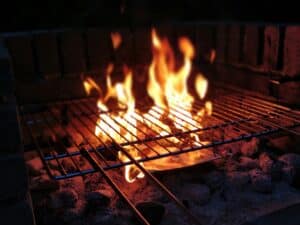
Wind affects more than temperature. It changes the entire way flames behave inside the grill.
Wind feeds oxygen into the flames
More airflow means flames react faster.
That can cause:
- Sudden flame surges
- Uneven burner intensity
- Faster ignition of grease vapors
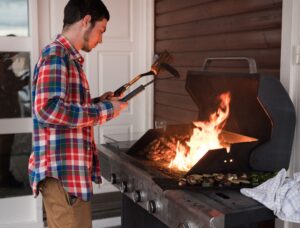
This is one reason flare-ups in Santa Rosa can feel more aggressive than expected.
Heat gets pulled away unevenly
Wind rarely moves through a grill evenly.
Instead, it:
- Pulls heat away from certain zones
- Creates hotter and cooler sections
- Disrupts stable cooking temperatures
So even if the burners are functioning normally, the cooking surface stops behaving consistently.
Gusts affect flame stability
Steady airflow is manageable. Gusty airflow is harder.
Quick wind changes can:
- Shift flame direction
- Cause burners to behave differently moment to moment
- Make heat control feel delayed or inconsistent
This is especially noticeable on grills with open sides or exposed positioning.
Dry conditions amplify the effect
Santa Rosa’s dry conditions make flames react more aggressively once airflow changes.
That means:
- Grease ignites faster
- Small flare-ups spread quicker
- Heat spikes happen more suddenly
Wind and dry air together create conditions where flame behavior changes rapidly.
Signs Wind Is the Problem (Not the Grill Itself)
A grill problem caused by wind behaves differently than a mechanical issue.
Look for patterns like:
- Problems only happening during windy conditions
- Flame movement changing during gusts
- Grill returning to normal on calm days
- Heat zones shifting unpredictably
- Lid position dramatically changing performance
One of the easiest ways to tell:
If the grill behaves consistently in calm weather but inconsistently in wind, the environment is likely the cause.
That distinction matters because many homeowners assume the burners or ignition system are failing when the real issue is unstable airflow.
What Actually Helps on Windy Santa Rosa Days
You can’t control the wind, but you can control how exposed your grill is to it.
Small adjustments make a much bigger difference than most people expect.
Position the grill with the wind, not against it
The worst setup is side exposure.
When wind hits the side of the grill:
- Flames get pushed unevenly
- Heat shifts across the cooking surface
- Burner behavior becomes unstable
A better setup:
- Keep the back of the grill facing prevailing wind
- Avoid open crosswinds when possible
- Use nearby structures carefully without trapping heat
This becomes even more important when combined with the placement issues covered in Where You Place Your Grill in Santa Rosa Can Increase Fire Risk.
Use the lid more strategically
On windy days, the lid becomes part of heat management.
Helpful habits:
- Keep the lid closed longer between flips
- Avoid repeated opening during gusts
- Use short openings instead of prolonged ones
This stabilizes both airflow and cooking temperature.
Lower heat slightly instead of fighting spikes
A common mistake is increasing burner output when heat feels inconsistent.
In wind, that often backfires.
Higher flames + unstable airflow =
- Faster flare-ups
- More temperature swings
- Harder control overall
A slightly lower, steadier heat level usually produces more consistent cooking.
Keep grease under control
Wind amplifies grease flare behavior.
Even moderate buildup can react aggressively when gusts suddenly feed oxygen into the firebox. That’s one reason flare-ups become more unpredictable in Santa Rosa conditions.
You don’t need a perfect deep clean before every cook, but you do want:
- Clear drip areas
- Reasonably clean heat shields
- No excessive grease pooling
Cooking More Safely During Windy Conditions
Windy grilling requires a little more awareness and a little less autopilot.
Watch the flame, not just the food
Pay attention to:
- Flame movement during gusts
- Sudden temperature spikes
- Smoke behavior changing direction quickly
These are early signs airflow is becoming unstable.
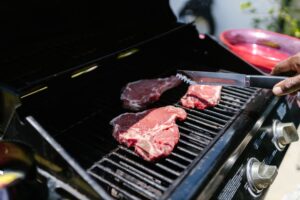
Avoid overcrowding greasy foods
Too much fat dripping at once creates:
- Rapid flare-ups
- Uneven combustion
- Sudden heat surges when wind hits
Spacing food out helps maintain more stable flame behavior.
Know when conditions are becoming too unstable
Some days simply aren’t worth forcing it.
Be cautious when:
- Wind direction changes constantly
- Gusts become strong enough to move flames visibly
- Heat control stops responding predictably
In Santa Rosa, safe grilling sometimes means deciding conditions aren’t worth the risk.
When Wind Exposure Starts Creating Bigger Problems
Occasional instability during wind is normal. But long-term exposure can start affecting the grill itself.
Watch for issues like:
- Burners developing uneven flame patterns over time
- Heat shields warping or shifting
- Ignition struggling even in calm weather
- Persistent hot and cold zones
At that point, the issue may have moved beyond environmental conditions and into actual component wear.
That’s typically when a Santa Rosa grill repair service becomes the better solution instead of continuing to compensate during every cook.
The Bottom Line for Santa Rosa Grill Owners
Wind changes how grills behave far more than most people realize, especially in Santa Rosa’s dry conditions.
The grill itself may be perfectly functional, but unstable airflow changes flame behavior, cooking temperatures, and flare-up intensity in ways that feel unpredictable if you’re not expecting them.
The good news is most wind-related issues are manageable. Smarter positioning, steadier heat control, and better awareness during gusty conditions dramatically improve both safety and cooking consistency.
In Santa Rosa, understanding airflow is part of understanding your grill.