The Problem: Grease and Rust Showing Up Together on Napa Grills
Many Napa homeowners are surprised to find grease buildup and rust appearing at the same time, sometimes in the exact same areas of the grill. On the surface, it feels contradictory. Grease is supposed to protect metal, not cause corrosion.
In Napa, this combination is common. Grills may look reasonably clean after a scrub, yet develop rusty spots underneath greasy residue, along edges, or in shaded interior areas. Homeowners often notice stains, off smells, or discoloration shortly after cleaning and wonder what they’re missing.
This usually isn’t a cleaning effort issue. It’s a location issue. Napa grills fail differently than grills in hotter, drier regions, and treating them the same way often leads to faster wear instead of protection.
What Napa’s Climate Does to Grease and Metal
Napa’s cooler nights, morning moisture, and marine influence change how grease behaves once it’s inside a grill. After cooking, grease doesn’t fully dry out. Instead, overnight condensation settles into it, trapping moisture directly against metal surfaces.
Grease becomes a sponge in this environment. Rather than burning away or hardening, it holds moisture in place, especially in firebox corners, under grates, and around burner shields. This is why rust often forms under greasy areas, not on clean, exposed metal.
Stainless steel grills aren’t immune either. While stainless doesn’t rust the same way raw steel does, it can still pit, stain, and corrode when moisture is trapped against it repeatedly. Covered patios and built-in grills make this worse by limiting airflow, allowing moisture to linger longer after foggy nights or rain.
This is why many Napa grill owners experience rust even when they clean regularly, and why general rust advice doesn’t always solve the problem. If you’ve ever wondered why your grill seems to corrode faster than expected, it’s the same pattern explained in Why Is My Grill Rusting So Fast? (And How to Stop It), amplified by Napa’s climate.
How to Tell If Grease Is Causing Rust (Not Just Surface Corrosion)
Not all rust means the same thing. In Napa, the source matters.
A key sign that grease is driving corrosion is where the rust appears. Rust forming underneath greasy residue, along seams, or in areas that rarely fully dry points to moisture being trapped, not simple exposure. Brown staining on stainless surfaces, light pitting near burners, or discoloration that returns quickly after cleaning are all common indicators.
Another clue is timing. If rust shows up after foggy nights, rainy weeks, or periods when the grill sits unused, moisture is likely interacting with leftover grease. This is different from surface corrosion caused by neglect or damage to protective coatings.
At this stage, many homeowners increase scrubbing or switch cleaners, but that often makes things worse if grease is removed without fully drying the grill. Understanding this distinction is important before jumping into a full clean, even if you’re following a detailed process like How Do You Deep Clean a Grill? (Step-by-Step Guide).
What Actually Works for Cleaning Grease in Moist Napa Conditions
In Napa, removing grease without managing moisture is where most cleaning efforts go wrong. Grease needs to be lifted and removed, but the grill also needs to be fully dried afterward. Skipping either step accelerates corrosion.
Aggressive degreasers can backfire here. They strip grease quickly, but if residue and moisture aren’t completely removed, they leave bare metal exposed in a damp environment. That’s why rust often shows up days after a “thorough” cleaning.
Water- and steam-based methods can be effective in Napa, but only when used deliberately. Steam helps break down grease in cooler climates, yet it must be applied to a cool grill and followed by careful drying.
DIY cleaning reaches its limit when grease and moisture have already settled into internal parts. If burners, firebox corners, or drip channels stay damp or discolored after cleaning, surface-level methods won’t stop corrosion from continuing underneath.
Preventing Grease and Rust from Coming Back Together
Prevention in Napa is about controlling moisture as much as controlling grease.
Cleaning timing matters. Cleaning earlier in the day, after morning condensation has evaporated but before evening moisture returns, gives the grill the best chance to fully dry. Leaving the lid open briefly after cleaning helps trapped moisture escape before covers go back on.
Drying steps are not optional here. Wiping down internal surfaces, emptying drip trays, and allowing airflow through the firebox significantly reduce moisture retention. Skipping these steps is one of the biggest reasons rust returns quickly in Napa grills.
Covers require more thought in humid environments. While they protect from rain, poorly ventilated covers can trap moisture overnight. Breathable covers and occasional uncovered dry-out periods help prevent condensation buildup, especially on stainless grills.
Finally, off-season habits matter. Grills that sit unused for days or weeks in cooler, damp conditions are more vulnerable. Light maintenance between uses keeps grease from becoming a moisture trap and slows corrosion before it starts.
When It’s Time to Call a Professional in Napa
In Napa, grease and rust problems often reach a point where DIY cleaning is no longer enough. This usually happens when corrosion starts underneath components or in areas that don’t fully dry, even after repeated cleanings.
If rust is spreading beneath burner assemblies, ignition systems, or firebox panels, surface cleaning won’t stop it. Scrubbing these areas without full access can actually trap more moisture and accelerate damage. Persistent odors, recurring stains on stainless surfaces, or damp residue that never seems to disappear are also signs that moisture has worked its way deeper into the grill.
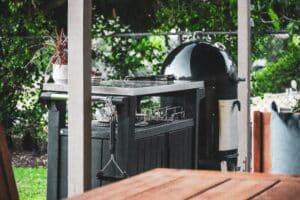
Built-in grills and covered patio setups are especially vulnerable because airflow is limited. In these cases, professional service isn’t about appearance. It’s about controlling grease and moisture at the same time, with proper disassembly and drying that homeowners typically can’t do safely.
This is usually when a Napa grill cleaning service becomes the safer option, helping stop corrosion before it spreads to critical components.
The Bottom Line for Napa Grill Owners
In Napa, grease and rust show up together because moisture gets trapped inside leftover residue. Cooler nights, condensation, and limited airflow create conditions where grease no longer protects metal but accelerates corrosion instead.
Cleaning grease without addressing moisture doesn’t solve the problem. Drying, airflow, and timing matter just as much as the cleaner you use. Adjusting habits to Napa’s climate, and knowing when DIY cleaning has reached its limit, goes a long way toward protecting your grill.
The sooner grease and moisture are managed together, the easier it is to keep your grill clean, safe, and reliable year-round.